SIGN UP TO OUR EMAIL NEWSLETTER
Please read on, stay posted, subscribe, and we welcome you to tell us what you think.
 +8618144082725
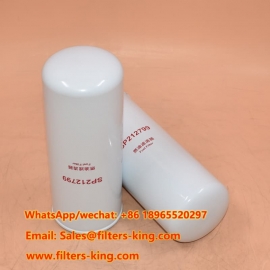
Part Number:SP212799 Part Type:Fuel Filter Element Brand:Liugong Replacement MOQ:60pcs Compatibility:Liugong Equipment.
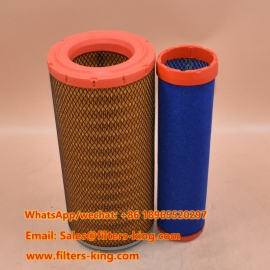
Part Number:13074774 Part Type:Air Filter Kit Brand:Weichai Replacement MOQ:20pcs
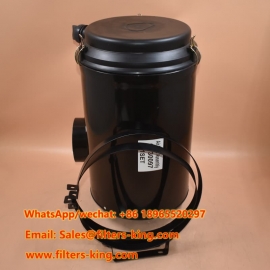
Part Number:G130097(Mounting Band P013722,Cover Assembly P538259,Clip P776033) Part Type:Air Filter Assembly Brand:Donaldson Replacement MOQ:20pcs
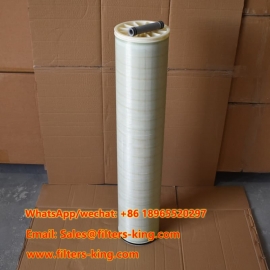
Part Number:TM720D-400 Part Type:Reverse Osmosis Element Brand:Toray Replacement MOQ:60pcs
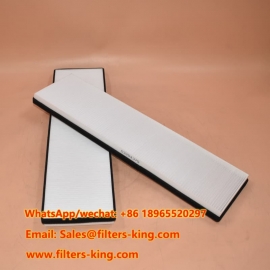
Part Number:03254375 Part Type:Cabin Air Filter Brand:Manitowoc Replacement MOQ:20pcs
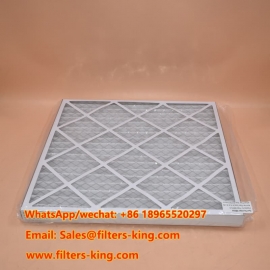
Part Number:6B924 Part Type:Pleated Air Filter MERV Rating:8 Brand:Air Handler Replacement MOQ:20pcs
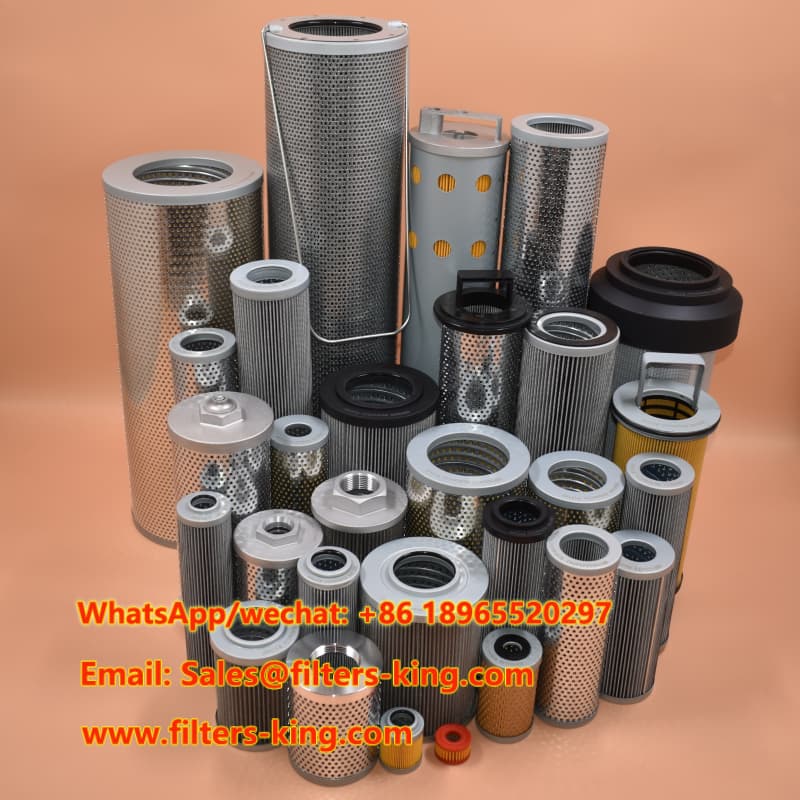
Professional Hydraulic Filter Manufacturer – Welcome to Place Your Orders We provide a wide range of hydraulic filtration products for construction machinery, industrial equipment, agricultural machinery, mining equipment, and other hydraulic systems. We welcome wholesalers, distributors, retailers, filter shops, and aftermarket service providers from around the world to contact us for cooperation. Our Hydraulic Filter Product Range We manufacture and supply various types of hydraulic filters to meet different filtration needs and equipment applications, including: Hydraulic Filter Elements Replacement elements for hydraulic filtration systems. Hydraulic Oil Filters Help remove contaminants from hydraulic oil. High-Pressure Hydraulic Filters Filtration solutions for compatible high-pressure systems. Return Line Filters Help control contamination in hydraulic return lines. Suction Filters Designed for compatible hydraulic pump inlet applications. Hydraulic Filter Cartridges Replacement filtration cartridges for industrial equipment. Custom-Size Hydraulic Filters Customized filtration products based on your requirements. Why Choose CHINA EVERLASTING PARTS CO., LIMITED? Wide Product Selection: A variety of hydraulic filter models for different equipment and filtration applications. Reliable Filtration: Products designed to help capture contaminants and protect compatible hydraulic systems. Competitive Wholesale Prices: Cost-effective solutions for bulk purchasing and aftermarket distribution. OEM & ODM Services: OEM and ODM cooperation is welcome, including customized product and packaging requirements. Cross-Reference Support: Provide available part numbers or filter information to help identify suitable replacement products. Professional B2B Service: We welcome inquiries from wholesalers, distributors, retailers, filter stores, and maintenance service providers. Hydraulic Filter Replacement and Customization Looking for a reliable hydraulic filter supplier? Whether you need replacement hydraulic filter elements, hydraulic oil filters, industrial filter cartridges, or custom-size hydraulic filters, our team is ready to discuss your requirements. Send us the part number, equipment model, product dimensions, or reference information to help us identify a suitable solution. We welcome wholesale inquiries, repeat orders, and OEM/ODM cooperation. Contact us to discuss product availability, minimum order quantities, pricing, and delivery arrangements. Contact Us for Hydraulic Filter Orders Company: CHINA EVERLASTING PARTS CO., LIMITED Business: Professional High Quality Filters Manufacturer Email: Sales@filters-king.com WhatsApp / WeChat: +86 18965520297 WhatsApp / WeChat: +86 18144082725 CHINA EVERLASTING PARTS CO., LIMITED – Your Partner for Hydraulic Filtration Solutions.
 2019-08-03
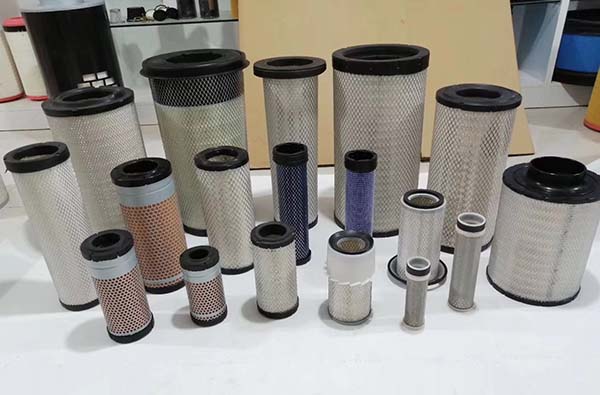
Engine air filters are developed based on filter performance requirements, vehicle operating environment, available space, filter media characteristics and production techniques.
The design process includes analytical theory and empirical models describing the filter media properties and aerosol flow in the filter housing as well as the filter elements. Filter media carefully based on these models and simplified laboratory testing. The filter design was evaluated in great detail through a series of laboratory and field experiments. The role of the engine intake system has increased due to engine exhaust particulates and evaporative emission regulations. Engine life, engine emissions and fuel consumption depend on the design of the intake system and its performance. Providing an optimized solution to these requirements determines the trend of the filter. This has driven the need for smaller, more compact filters and more efficient permeability filter media.
The efficiency can be significantly improved by applying a layer of nanofibers to the cellulose or synthetic substrate. The ISO fractional efficiency test method, in its final development stage, clearly shows the advantages of nanofiber filter media.
The ISO fractional efficiency test method, in its final development stage, clearly shows the advantages of nanofiber filter media.

Please read on, stay posted, subscribe, and we welcome you to tell us what you think.