SIGN UP TO OUR EMAIL NEWSLETTER
Please read on, stay posted, subscribe, and we welcome you to tell us what you think.
 +8618144082725
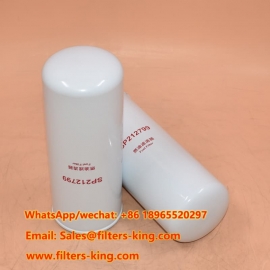
Part Number:SP212799 Part Type:Fuel Filter Element Brand:Liugong Replacement MOQ:60pcs Compatibility:Liugong Equipment.
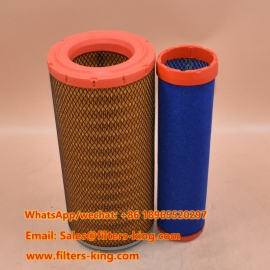
Part Number:13074774 Part Type:Air Filter Kit Brand:Weichai Replacement MOQ:20pcs
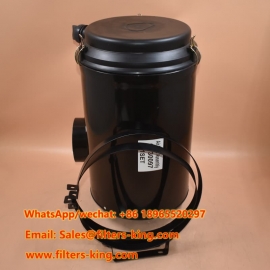
Part Number:G130097(Mounting Band P013722,Cover Assembly P538259,Clip P776033) Part Type:Air Filter Assembly Brand:Donaldson Replacement MOQ:20pcs
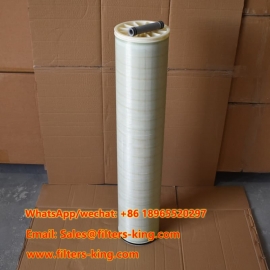
Part Number:TM720D-400 Part Type:Reverse Osmosis Element Brand:Toray Replacement MOQ:60pcs
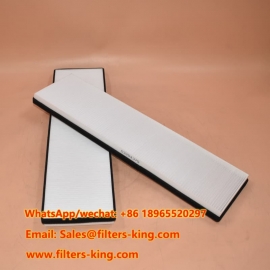
Part Number:03254375 Part Type:Cabin Air Filter Brand:Manitowoc Replacement MOQ:20pcs
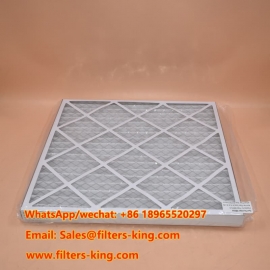
Part Number:6B924 Part Type:Pleated Air Filter MERV Rating:8 Brand:Air Handler Replacement MOQ:20pcs
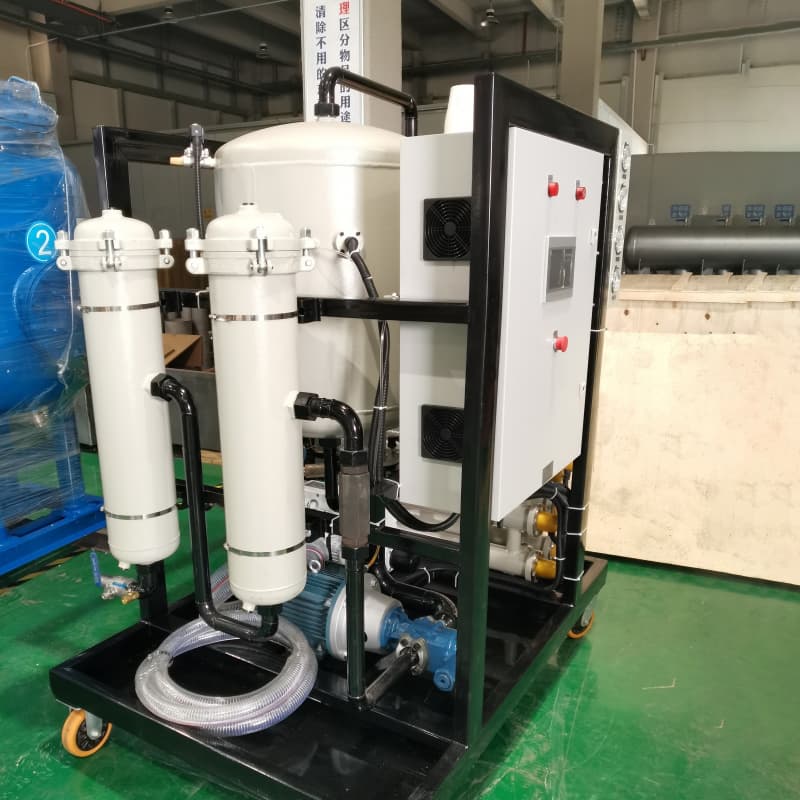
Vacuum Oil Purifier with Complete Accessories The Vacuum Oil Purifier is a high-performance industrial oil purification system designed to remove solid particles, moisture, dissolved water, and air from lubricating oil, hydraulic oil, transformer oil, and other industrial fluids. Supplied with complete accessories, this purification unit provides an efficient solution for oil maintenance, oil regeneration, and contamination control in demanding industrial applications. With a processing capacity of 50 liters per minute, it is suitable for workshops, equipment maintenance centers, power plants, hydraulic systems, and other facilities that require reliable oil purification. Technical Specifications Product Type Vacuum Oil Purifier Accessories Complete Accessories Included Flow Rate 50 L/min Working Pressure 0.6 MPa Vacuum Level ≤ -0.095 MPa Residual Water Content 5–10 ppm Residual Air Content ≤ 0.2% First-Stage Filtration 100 μm Second-Stage Filtration 10–20 μm Third-Stage Filtration 1–3 μm Voltage 380 V AC Frequency 50 Hz Phase Three Phase Motor Power 36 kW Heating Power 24 kW Control System PLC Control Efficient Vacuum Dehydration and Degassing The purifier operates with a vacuum level of ≤ -0.095 MPa, creating an effective environment for removing moisture and air from contaminated oil. After treatment, the residual water content can be reduced to approximately 5–10 ppm, while the residual air content is controlled to ≤ 0.2%. This helps improve oil cleanliness and reduce the negative effects of moisture and air on lubrication performance, hydraulic components, pumps, valves, bearings, and other critical equipment. Three-Stage Precision Filtration The Vacuum Oil Purifier uses a three-stage filtration process for progressive contaminant removal. The first stage uses a 100-micron filter to capture larger solid particles and protect the downstream filtration system. The second stage provides 10–20 micron filtration for finer contamination control. The third stage uses a high-precision 1–3 micron filter to remove very small particles and achieve a higher level of oil cleanliness. This multi-stage design supports stable purification performance and helps protect critical components from particulate contamination. Powerful Heating and High Processing Capacity Equipped with a 24 kW heating system, the purifier provides effective heating during the oil treatment process. Controlled heating helps improve moisture separation and supports efficient vacuum purification. With a 50 L/min flow rate and 0.6 MPa working pressure, the system is designed for high-capacity industrial oil purification and continuous maintenance applications. PLC Automatic Control The system features PLC control for organized and automated operation. Its electrical configuration is 380 V AC, 50 Hz, three phase, with a 36 kW motor. PLC-based operation helps simplify system management, improve process consistency, and reduce the need for frequent manual adjustments during purification. ...
 2019-07-12
One: start inspection and preparation
1: Before using the water separator equipment, the driver's consent should be obtained.
2: Check the line installation of the fuel water separator, whether the steering of the supporting pump is normal
3: Water is supplied to the fuel water separator, and the top air valve is opened to allow air to escape.
4: Check the oil and water separation in the marrow water inlet and outlet system without any leakage
Two: precautions during operation
1: Adjust the drain valve opening degree and keep the pressure inside the separator to facilitate the elimination of the oil in the separator.
2: Observe whether the gauges such as pressure gauges and thermometers are normal.
3: Observe the working condition of the treated drainage water quality and oil concentration alarm
4: After the discharge is over, it should continue to be poured into clean water for 15 minutes to clean the separator.
5: Close the inlet and outlet after the pump is stopped, avoid the loss of clean water in the cylinder, reduce the oxidation and corrosion of the inner wall.
6: Each time the fuel water separator is used for discharge, it should be recorded in the oil beauty record book.
Three: maintenance
1: Regularly clean the filter, open the bottom of the separator to vent, and remove the sediment deposited in the lower part, impurities
2: Clean the internal separation components of the separator in time, and avoid cleaning the inner wall and components of the separator with a cleaning agent.
3: When a fault occurs, the cause should be identified and the failed coalescing component should be replaced in time.

Please read on, stay posted, subscribe, and we welcome you to tell us what you think.